
Top Waterproofing Products To Protect Your Property Effectively
Explore the leading waterproofing solutions designed to prevent leaks, moisture damage, and ensure long-lasting protection for your home or
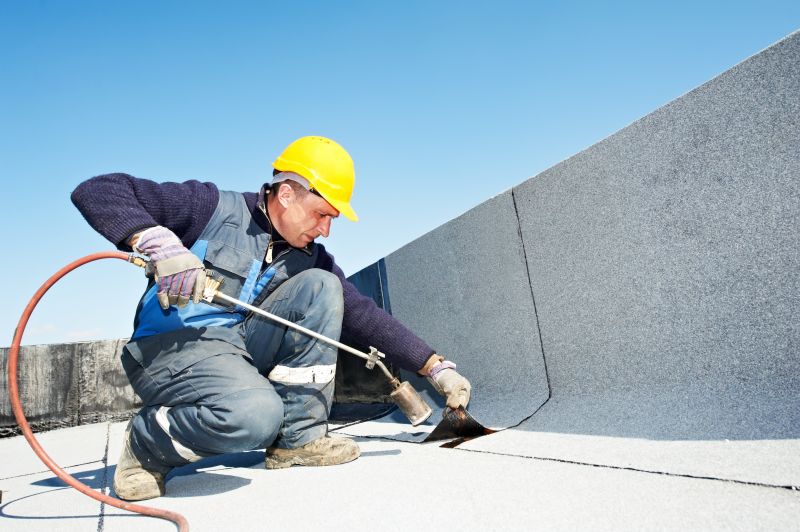 Waterproofing products are essential solutions for protecting structures from water intrusion, moisture damage, and related issues. Whether safeguarding basements, roofs, foundations, or interior spaces, choosing the right waterproofing materials can significantly enhance durability and longevity. These products come in various forms, including liquid coatings, membranes, sealants, and tapes, each suited for specific applications. Proper application and selection are crucial to ensure effective water resistance and to prevent issues such as leaks, mold growth, and structural deterioration.
Top Overall Option
Liquid Waterproofing Membrane
A versatile liquid membrane offers seamless coverage and can be applied to various surfaces such as roofs, foundations, and decks. Its ease of application and ability to form a flexible, waterproof barrier make it a popular choice for many projects. When properly applied, it can accommodate slight structural movements, helping to maintain water resistance over time.
Types of Products For Waterproofings
Bituminous Coatings
Asphalt-based coatings provide durable waterproofing for roofs and foundations, especially in heavy-duty applications.
Liquid Rubber
A flexible, rubber-like liquid membrane suitable for roofs, basements, and pond linings, offering excellent water resistance.
Polyurethane Sealants
High-performance sealants ideal for sealing joints, cracks, and seams in various surfaces.
Waterproofing Tapes
Self-adhesive tapes used for quick repairs and sealing around pipes, vents, and cracks.
Cementitious Coatings
Ready-mixed cement-based products designed for foundations and basement walls, providing a strong waterproof barrier.
Spray-On Membranes
Applied via spraying equipment, these membranes create a seamless waterproof layer over large areas.
Sheet Membranes
Pre-formed sheets made of rubber or asphalt that are adhered to surfaces for reliable waterproofing.
Bitumen Roll Roofing
Flexible asphalt rolls used on flat roofs for waterproof protection.
Hydrophobic Paints
Specialized paints that repel water, suitable for walls and exterior surfaces.
Crack Fillers
Materials designed to fill and seal cracks in concrete and masonry surfaces to prevent water ingress.
Waterproofing Cement Mixes
Additive-enhanced cement mixes that improve the water resistance of concrete structures.
Epoxy Coatings
Durable coatings that can also serve as waterproof barriers for floors and walls.
Popular Choices
Widely used for its versatility and seamless application across different surfaces.
Commonly selected for their durability in heavy-duty waterproofing tasks.
Popular for sealing joints and cracks in various construction applications.
Favored for quick repairs and small-scale sealing projects.
Chosen for large surface areas requiring seamless waterproof layers.
Preferred for their reliability and ease of installation on flat surfaces.
Often used for exterior walls to provide an additional water-repelling layer.
Essential for addressing small cracks that could lead to water penetration.
Popular for basement and foundation waterproofing due to their strong adhesion.
Commonly applied on floors and walls for their durability and waterproof properties.
Frequently used on flat roofs for its proven waterproofing ability.
Increasingly chosen for exterior wall surfaces to prevent water infiltration.
In Montgomery, AL, where humidity levels can fluctuate and occasional heavy rains are common, having reliable waterproofing solutions is particularly important. Homeowners, contractors, and property managers often seek products that are easy to apply, long-lasting, and compatible with different surfaces. From basement sealing to roof waterproofing, the right product can help maintain the integrity of a building while minimizing maintenance needs.
Understanding the different types of waterproofing products available can assist in making informed decisions. Some products are designed for interior use, providing vapor barriers and sealing cracks, while others are meant for exterior application, creating durable waterproof membranes. Proper surface preparation and application techniques are vital in achieving the desired results. Consulting product specifications and manufacturer guidelines can ensure compatibility and effectiveness, especially in climates like Montgomery's where weather conditions can vary.
Investing in quality waterproofing materials can contribute to the overall safety and value of a property. While the initial cost may vary, selecting products that meet your specific needs and conditions can lead to better long-term performance. Whether tackling a small leak or undertaking a major waterproofing project, understanding your options and considerations will help you choose the most suitable solutions for your property in Montgomery, AL.
Key Buying Considerations
- Surface compatibility: Ensure the product is suitable for the material you plan to waterproof.
- Application method: Choose a product that matches your application skills and tools available.
- Climate suitability: Select products designed to perform well in Montgomery's weather conditions.
- Durability and lifespan: Consider the expected longevity of the waterproofing solution.
- Flexibility: For surfaces prone to movement, opt for flexible membranes or coatings.
- Ease of application: Some products are easier to apply and may require less preparation.
- Water exposure level: Match the product's waterproofing strength to the severity of water exposure.
- Chemical compatibility: Check if the product interacts well with existing materials.
- Curing time: Be aware of how long it takes for the product to fully set and become effective.
- Cost and budget: Balance quality and affordability for your specific project.
- Maintenance requirements: Consider how much upkeep is needed over time.
- Environmental resistance: Look for products resistant to UV, temperature fluctuations, and other environmental factors.
- Vapor permeability: Decide if allowing moisture vapor to escape is necessary for your application.
- Manufacturer reputation: Choose products from reputable sources with clear instructions.
- Safety considerations: Ensure proper handling and safety measures during application.